

Children Science Congress
Empowering Young Scientists of Uttarakhand
District & State Level Children’s Science Congress (2026–2027)
Organized by Golden New Era Educational & Social Society
In association with vijAI Robotics.
Golden New Era Educational & Social Society is proud to lead the initiative “Empowering School Children of Uttarakhand for District and State Level Children’s Science Congress in 2026–2027.” The programme has been recommended for support by the APEX Advisory Committee of the NCSTC Division, Department of Science & Technology, Government of India, for organizing the District and State Level 32nd National Children’s Science Congress in Uttarakhand.
What is Children’s Science Congress?
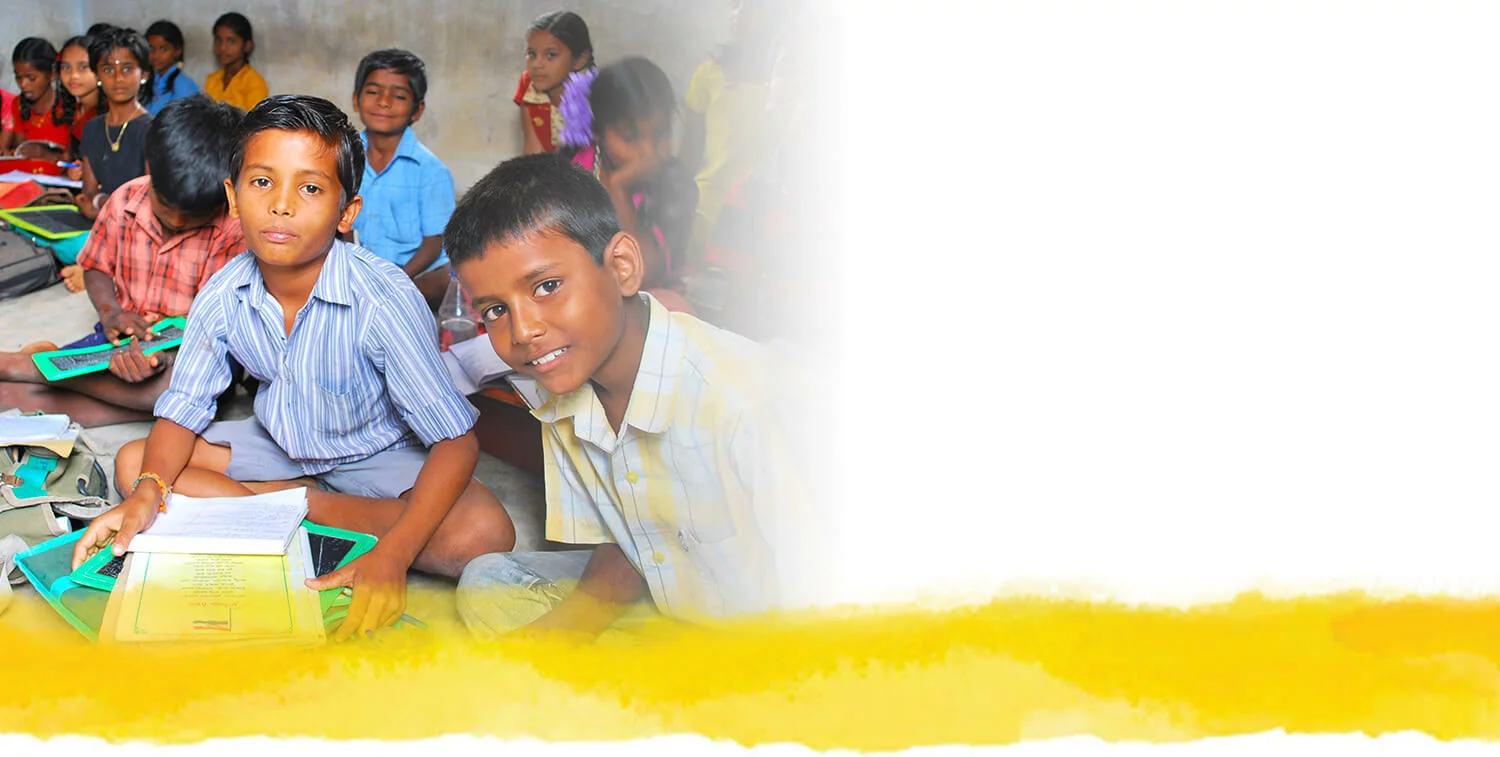
The National Children’s Science Congress is a national platform that encourages children to identify real-life problems around them and study them through scientific methods. It promotes observation, questioning, experimentation, field study, documentation, teamwork, and presentation skills among children.
The NCSC programme encourages children to “learn science by doing” and helps them develop scientific temperament, leadership, social responsibility, communication skills, and problem-solving abilities.
For Uttarakhand, this programme will give students an opportunity to work on local problems such as water conservation, waste management, sustainable agriculture, biodiversity, disaster resilience, health, energy efficiency, and traditional knowledge systems.
WHY THIS MATTERS FOR UTTARAKHAND:
Science for Himalayan Sustainability
Uttarakhand is a Himalayan state with unique ecological, geographical, cultural, and developmental challenges. Children living in this region observe many real-world problems every day: drying water sources, landslides, waste issues, changing agriculture patterns, biodiversity loss, and climate-related risks.
Through this programme, students will not only study these issues but also develop research-based, practical, and locally relevant solutions.
Golden New Era already works in education, environmental awareness, rural outreach, science communication, health, hygiene, water conservation, and community development. Its mission includes conservation of eco-friendly products, educational programmes for younger generations, water conservation, rainwater harvesting, IT awareness, and empowerment of marginalized communities.
PROJECT VISION:
Creating Child Scientists for a Sustainable Future.
The vision of this initiative is to empower school students of Uttarakhand with scientific thinking, research skills, and innovation capacity so that they can identify local problems and develop meaningful solutions for sustainability. The programme will connect classroom science with real-life community challenges.
Programme Objectives:
- Encourage students to observe local environmental and social problems scientifically.
- Promote research-based and field-based learning among school children.
- Strengthen scientific temper, curiosity, creativity, and logical thinking.
- Build teacher capacity for mentoring student research projects.
- Promote sustainability themes such as water, energy, waste, agriculture, health, and Indian Knowledge Systems.
- Ensure participation from rural, remote, government school, private school, and Divyangjan students.
- Select high-quality student projects for district, state, and national level participation.
The NCSC Activity Guidebook 2026–2027 identifies Science and Innovation for Sustainability as the focal theme and includes sub-themes such as waste management, energy, water, food, agriculture, health, and Indian Knowledge Systems.
WHO CAN PARTICIPATE?
Student Participation.
The programme is open to children in the age group of 10 to 17 years.
Student Registration
Students aged 10–17 years can register for the 32nd National Children’s Science Congress (2026–27) through the official registration portal.
छात्र पंजीकरण की अंतिम तिथि: 31 अगस्त 2026
Last Date for Student Registration: 31 August 2026
👉 Click here to Register: https://n-csc.in/login
Children from formal schools as well as out-of-school backgrounds can participate. The NCSC guidelines also emphasize inclusion of children with disabilities and children from different geographical, social, and cultural backgrounds
News & Media Coverage
समाचार पत्रों में प्रकाशित समाचार


